Wellness Competencies – a Foundation for Healthy Personal and Professional Relationships
Did you know that the health of your relationship can impact your mental health?
By understanding how relational stresses affect the mind, body, and spirit, we can use approaches rooted in interpersonal neurobiology and the Wellness Competency Mindset to strengthen and nurture work and marriage relationships. In my latest book, A Marriage That Thrives, I explore how these tools can help couples transform marital stress into growth opportunities and bring resilience, peace, and purpose to their relationships.
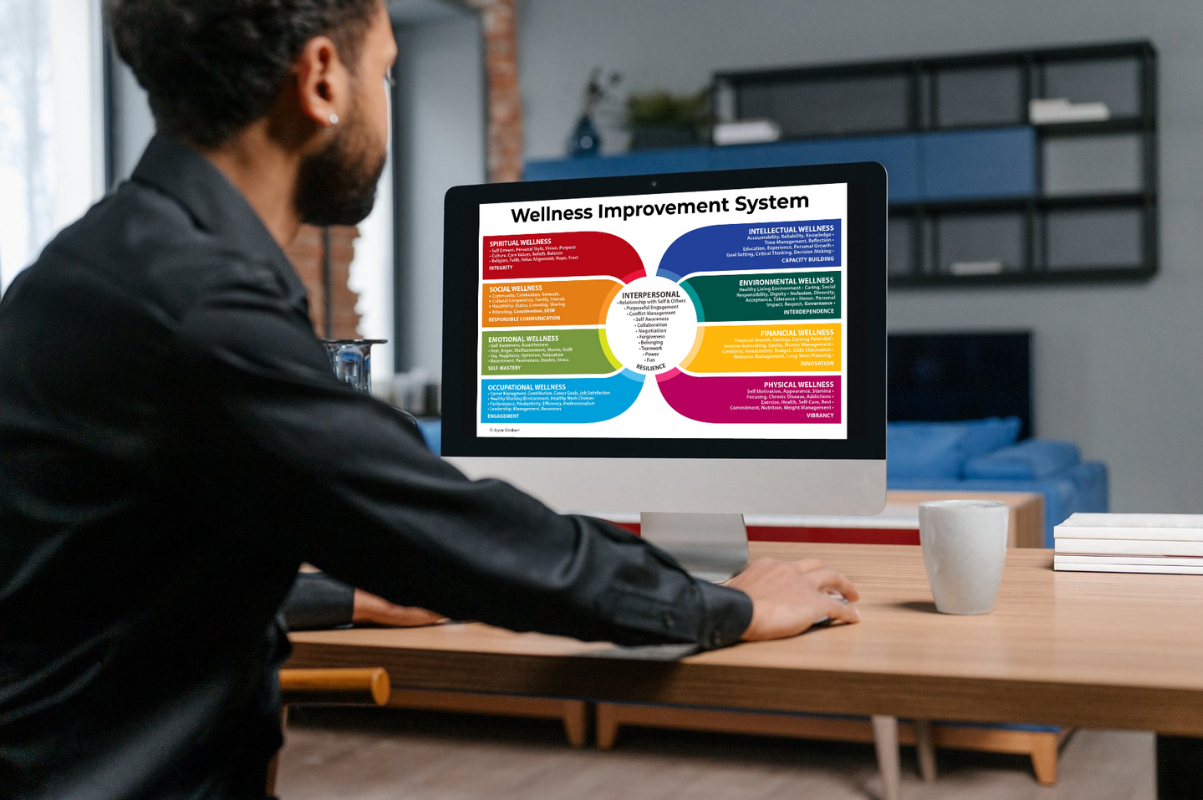
Building a healthy, resilient marriage requires more than just understanding neurobiology. It also requires a mindset shift that promotes growth, adaptability, and mutual support. The Wellness Competency Mindset offers this foundation by focusing on skills and competencies essential for relational and personal well-being. This framework integrates nine dimensions of wellness and highlights essential competencies that support resilience, emotional growth, and mental well-being in a marriage.
The Wellness Competencies that play a crucial role in marriage include:
- Self-Mastery: Building emotional intelligence and self-awareness is critical to navigating relationship challenges. Understanding and managing your emotions allows for clearer communication and reduces the risk of misunderstandings.
- Responsible Communication: Clear, compassionate communication is foundational in any marriage. This competency teaches how to express needs and desires without blame or criticism, fostering an environment where both partners feel heard and valued.
- Resilience: Marriage will inevitably face trials, and resilience provides the strength to work through difficult times without compromising mental health.
- Belonging: Feeling connected and valued within the marriage cultivates a sense of belonging. This competency strengthens the emotional bond and encourages both partners to feel safe and supported.
- Integrity: Honesty and consistency in actions are essential for building trust and reliability within a marriage. Integrity keeps relationships strong by ensuring that both partners can rely on one another.
These competencies act as guideposts, helping couples navigate relational stresses with mutual understanding and a shared commitment to well-being. They are designed to be practical and actionable, encouraging partners to actively apply skills that can transform their interactions and fortify their relationship.
Applying IPNB and Wellness Competencies for a Thriving Marriage
In A Marriage That Thrives, I emphasized that creating a thriving marriage is a journey that requires intention, practice, and growth. By combining the insights of interpersonal neurobiology with the Wellness Competency Mindset, couples can strengthen their relationship and foster mental well-being. Here are some practical ways to apply these approaches:
- Practice Mindfulness Together: Engage in simple mindfulness practices like deep breathing or meditation to calm the nervous system and create space for compassionate interactions.
- Engage in Reflective Listening: Make a commitment to actively listen to your partner without interruption, giving them the space to express themselves fully. Reflective listening promotes understanding and reduces the likelihood of defensive reactions.
- Develop Emotional Awareness: Use self-mastery techniques to become more aware of your emotional triggers and responses, which will help you communicate more effectively during conflicts.
- Strengthen Your Support Network: Seek out resources, such as counseling or marriage coaching, to provide additional support in applying these principles. Sometimes, having an outside perspective can help couples see new ways of addressing relational stresses.
- Celebrate Small Wins: Acknowledge progress in areas where you have applied these principles, as celebrating small wins strengthens positive reinforcement and enhances motivation for ongoing growth.
By incorporating these techniques into daily life, couples can reframe relational challenges as opportunities for growth and transformation. With each practice, the marriage grows stronger, creating an environment where both partners can thrive mentally, emotionally, and spiritually.
Building a Marriage That Thrives
The journey of marriage is filled with moments of joy and challenges. Understanding the impact of relational stress on mental health, combined with the insights of interpersonal neurobiology and the Wellness Competency Mindset, offers a path to lasting well-being. In A Marriage That Thrives, I invite you to explore these tools, reflecting on how they can shape your relationship into one of mutual growth, deep connection, and resilience.
By nurturing a marriage rooted in empathy, resilience, and wellness competencies, we can create a foundation that supports mental health and transforms challenges into lasting strengths. Let your marriage be a place of joy, connection, and profound personal growth—an anchor in a world of constant change. Together, you can build a marriage that truly thrives.
Things to Consider
- How does your current relationship impact your mental health?
- What areas of your relationship could benefit from improved communication and understanding?
- How open are you to learning new skills that enhance your relationship?
Action Steps
- Reflect Together: Set aside time this week to talk with your partner about what each of you values in the relationship and how you can support each other’s mental wellness.
- Practice Active Listening: Make an effort to listen without interruption, practicing empathy and validation.
Ready to measure resilience in your organization?
Start with the Resilience Deficit Assessment and identify where resilience-depleting behaviours may be occurring.
Take the Assessment