FAQ

Frequently Asked Questions

Over decades of working with teams, one pattern consistently emerges: when teams struggle repeatedly, the root cause is often how leadership pressure, communication, and decision making are landing.

Relational Resilience Leadership Coaching™ is a proven, research informed leadership program that helps leaders strengthen their relational capacity under pressure, so teams can stabilize, trust can rebuild, and performance can recover

This work has been delivered at scale and across hundreds of thousands of leaders in public and private sector environments

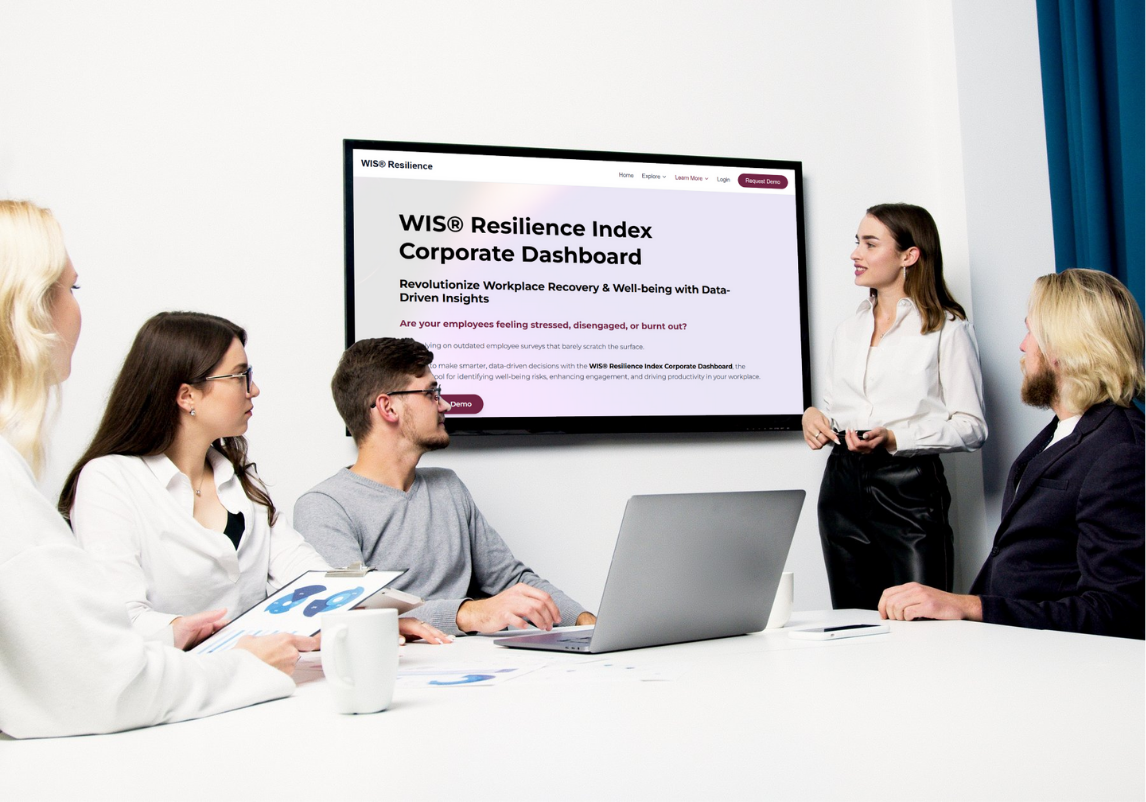
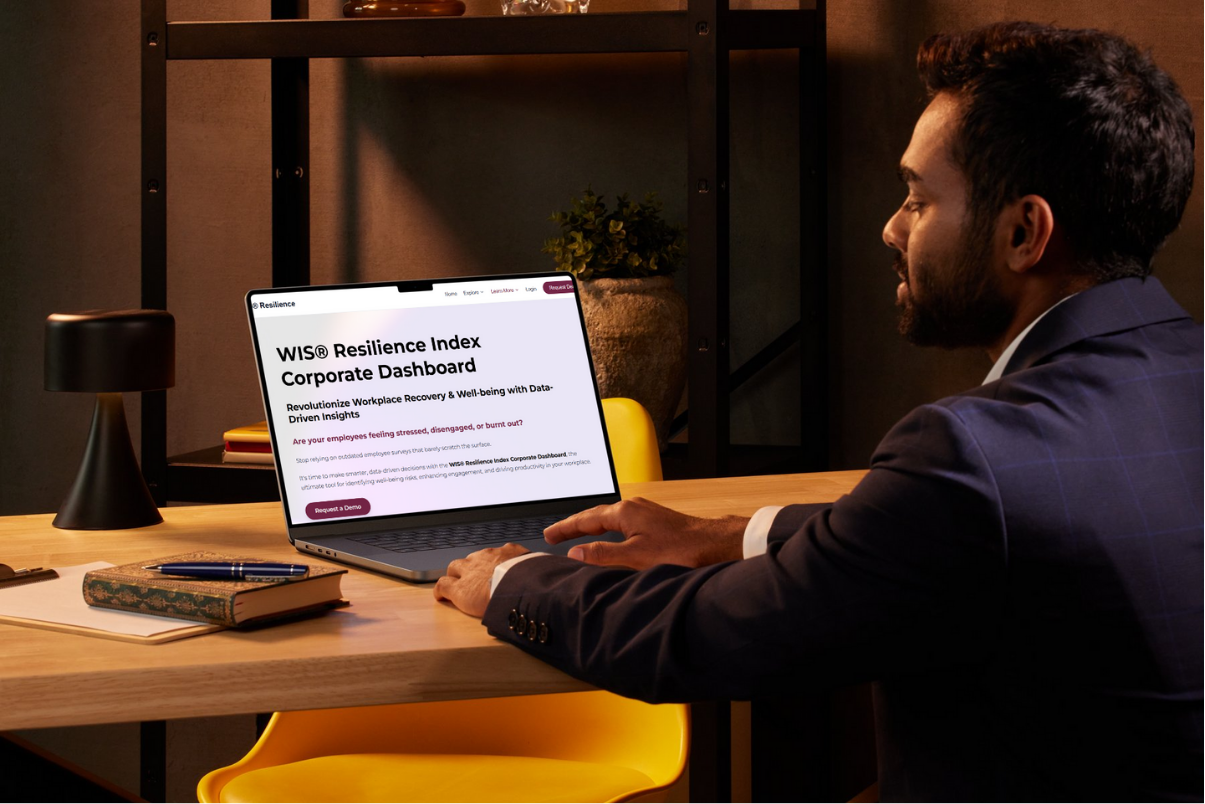
A resilience deficit occurs when an individual or team lacks the internal resources, mental, emotional, social, physical, and cognitive, to sustain performance under pressure. It shows up as burnout, conflict, disengagement, poor communication, and declining mental health. Unlike stress, which is situational, a resilience deficit is cumulative. It builds over time across multiple dimensions of well-being, often going unnoticed until it reaches a tipping point. IWS developed the WIS® Resilience Platform to detect resilience deficits early, before they escalate into costly workplace crises.

Employee Assistance Programs (EAPs) are reactive, they provide counselling and referrals after an employee is already in crisis. WIS® is proactive. It measures resilience continuously across 9 dimensions and 12 Resilience Currencies, identifying where depletion is building before it turns into burnout, conflict, or disengagement. EAPs track utilization rates. WIS® generates a personalized Resilience Index Report for every participant and gives leaders aggregated, anonymized data they can act on. Many organizations use WIS® alongside their EAP. WIS® detects the risk early, and the EAP provides clinical support when needed.

The WIS® assessment takes approximately 20–30 minutes per person. It is completed online and can be done from any device. Organizations typically see measurable behaviour change within 90 minutes of participants receiving their Resilience Index Report, because the assessment itself is a deep, immersive awareness experience that helps people identify exactly where their resilience deficit lies. Most organizations begin with the 30-Day Team Resilience Mapping process, which includes the assessment, individual reports, and aggregated team-level insights.

The Resilience Index Report is the personalized output every participant receives after completing the WIS® assessment. It maps their resilience across 9 dimensions and 12 Resilience Currencies, showing exactly where strain is building, what is driving it, and which interventions will actually work. Individual results remain completely private. Leaders receive aggregated, anonymized trends so they can make data-informed decisions without compromising psychological safety. The report is decision-ready, not a generic wellness score, but a diagnostic tool that tells each person and each organization precisely where to focus.

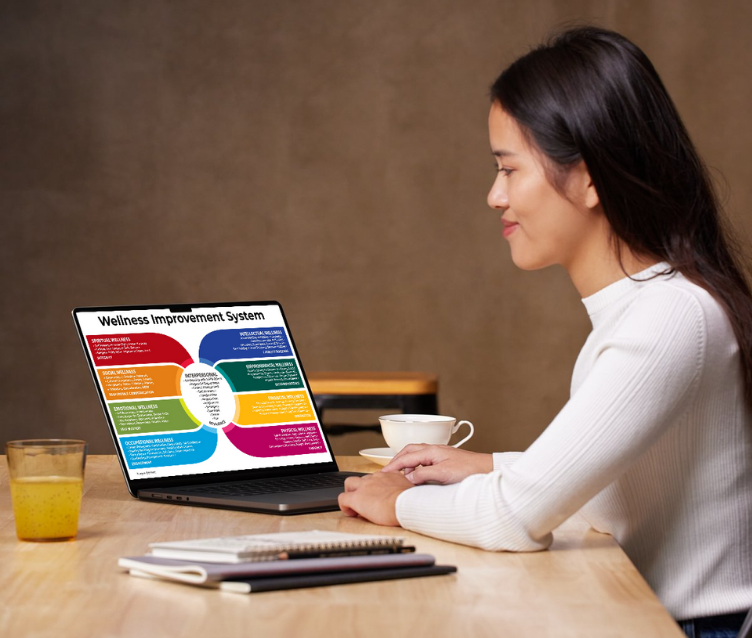
The WIS® 9-Dimensional Model measures resilience across the full spectrum of human well-being: spiritual, emotional, physical, social, interpersonal, intellectual, environmental, occupational, and financial. Most wellness programs address only one or two of these. WIS® measures all nine because resilience does not break down in one area alone, depletion in one dimension creates strain across others. For example, financial stress affects mental focus, which affects communication, which creates workplace conflict. By measuring all 9 dimensions, WIS® reveals the root cause of people’s challenges that affects work, not just the surface symptoms.

Yes.

The WIS® model and assessment were developed by Joyce Odidison, a seasoned Conflict Analyst and Master Certified Coach with over 28 years of applied resilience work with organizations including Health Canada, StandardAero, the Government of Canada and across continents. The assessment went through a rigorous one-year pilot project with seasoned professionals and was applied by a team of subject matter experts at the Miami University-led School Mental Health project, where it was implemented across 75 schools across Ohio State — improving staff morale and mental health outcomes by 75% while strengthening psychological safety, communication, and trust. The model remains in active use across the program and continues to be refined through ongoing organizational application with government agencies, healthcare systems, corporate teams, and educational institutions.

It is a clarity first diagnostic process that shows:

  • where strain is building
  • what’s driving it
  • which level of support is actually required

It prevents organizations from choosing the wrong solution too early.

Most organizations do.

Mapping is ideal if you:

  • sense something is “off” but lack clarity
  • want to prevent burnout or conflict
  • need data before approving training or intervention
  • want to avoid overreacting — or underreacting

The mapping window is 1 to 30 days, depending on team size and number of dimensions being mapped (1-9). This could include some but not all of the following

  • assessment deployment
  • data analysis
  • leadership debrief
  • clear next-step recommendations

Based on the data, we recommend one of four paths:

  • Resilience Activation Series™ (early strain)
  • Team Resilience Reset™ (ongoing friction)
  • Rapid Conflict Stabilization™ (escalating conflict)
  • Relational Resilience Leadership Coaching™ (leadership related constraints)

You are never obligated to proceed beyond mapping.

Only the individual.

Managers, leaders, and HR have no access to individual responses or resilience index reports

Organizations receive aggregated, anonymized insights such as:

  • overall resilience trends
  • risk heatmaps
  • early warning indicators
  • information to develop and measure KPIs

This protects psychological safety while enabling informed decisions.

Yes.

Our platform is designed to meet expectations of government, healthcare, education, and regulated environments, with privacy and ethical use built in.

We protect safety through:

  • non-clinical language
  • confidentiality by design
  • aggregated reporting only
  • clear communication about data use

Participation is meaningful only when people feel safe to be honest.

Workshops create awareness.
Resilience requires support over time.

That’s why we offer:

  • 4-week activation support
  • 30-day resets
  • structured follow-ups
  • leadership lock-in

This ensures change actually sticks.

If conflict is escalating or complaints are emerging, we recommend Rapid Conflict Stabilization™, which focuses on immediate containment and a clear roadmap forward.

If you’re unsure, book a 15-minute triage call

Yes.

Our assessments, coaching, and interventions are designed to support:

  • in-person teams
  • remote teams
  • hybrid environments

Yes.

Our Relational Resilience Leadership Coaching™ is a research backed program delivered at scale across government, industry, and education

It is often recommended when resilience mapping shows leadership related pressure points

Yes.

Coaching conversations are private and separate from organizational reporting.

We work with:

  • small and mid-sized teams
  • large organizations
  • government and public sector
  • regulated environments

Our platform and approach scale easily.

Most organizations can begin:

  • Resilience Mapping within days
  • Interventions shortly after results are reviewed

Timelines are adjusted based on urgency and scope.

Pricing depends on:

  • number of participants
  • level of support required
  • duration of engagement

We provide clear options after mapping or during a fit call.

WIS® Resilience Index

Still Have Questions?

If you’re unsure where to start or want to talk through your situation:

We’ll help you choose the right next step — without pressure.

Interpersonal Wellness Services provides workplace resilience and performance supports. We do not provide medical or psychological diagnosis or treatment