
Jul 22, 2020 | 22 min read
Is Burnout Causing Low Performance on My Team?
You’ve noticed the pattern but you’re not sure what to call it.
Your team is showing up, but they’re not really there. The quality of work has slipped and it’s not a skills issue; these are people who know what they’re doing. Deadlines that used to be met without drama are now consistently late. There’s a flatness to the energy in meetings, a going-through-the-motions feeling that you can sense even if no one says it out loud. Some people are irritable, others have gone quiet, and the ones who used to volunteer for extra projects have stopped raising their hands.
You might be attributing this to engagement, or motivation, or even aftereffects of a tough quarter; but if you look closer, what you’re likely seeing is burnout, and it’s not just an individual wellness issue. It’s a performance issue that’s costing your team results right now.
Share


Jul 22, 2020 | 22 min read
Is Burnout Causing Low Performance on My Team?
You’ve noticed the pattern but you’re not sure what to call it.
Your team is showing up, but they’re not really there. The quality of work has slipped and it’s not a skills issue; these are people who know what they’re doing. Deadlines that used to be met without drama are now consistently late. There’s a flatness to the energy in meetings, a going-through-the-motions feeling that you can sense even if no one says it out loud. Some people are irritable, others have gone quiet, and the ones who used to volunteer for extra projects have stopped raising their hands.
You might be attributing this to engagement, or motivation, or even aftereffects of a tough quarter; but if you look closer, what you’re likely seeing is burnout, and it’s not just an individual wellness issue. It’s a performance issue that’s costing your team results right now.
Share

The Burnout-Performance Connection Nobody Talks About
Most leaders and HR professionals miss that burnout doesn’t just affect how people feel. It also affects how they function.
When an employee is burned out, their cognitive capacity drops. Their attention fragments, making them more likely to create errors, not because they don’t care, but because their brain literally cannot sustain the level of focus the work requires. Decision-making slows down and problem-solving quality deteriorates. The creative thinking that used to come naturally dries up because burnout consumes the mental bandwidth that those higher-order functions depend on.
This gets very expensive because burned-out employees don’t just underperform; they trigger a cascade that affects the entire team such as:
This is the burnout cascade, and if you’re watching performance decline across your team, there’s a good chance you’re already in it.
Why Wellness Programs Aren’t Stopping It
If your organization has invested in wellness, you’ve probably done some version of the standard approach:
These are good things and none of them are wrong but they’re not stopping burnout, and the reason is that most wellness programs are designed around individual self-care rather than systemic capacity. They give employees tools to manage their own stress, which is valuable, but they don’t address the conditions that are draining resilience faster than those tools can rebuild it.
An employee who takes a mental health day and returns to the same dysfunctional team dynamic, the same unclear expectations, the same conflict they’ve been carrying for months, is not going to sustain recovery. The wellness activity provides temporary relief, but if the underlying resilience deficit isn’t addressed, the burnout comes right back.
This is the gap that most organizations haven’t bridged yet: the gap between wellness activities and actual resilience capacity.
Reframing Burnout as a Capacity Problem
Here’s the shift that changes everything for leaders and HR professionals who are watching burnout erode performance. Burnout isn’t a wellness problem; it’s a capacity problem.
Your team members don’t need to learn more about self-care. They need to understand where their resilience capacity is depleted and what’s causing the depletion. Burnout doesn’t happen randomly, it follows predictable patterns that are tied to specific resilience anchors, things like hope, trust, integrity, purpose, self-esteem, and core values.
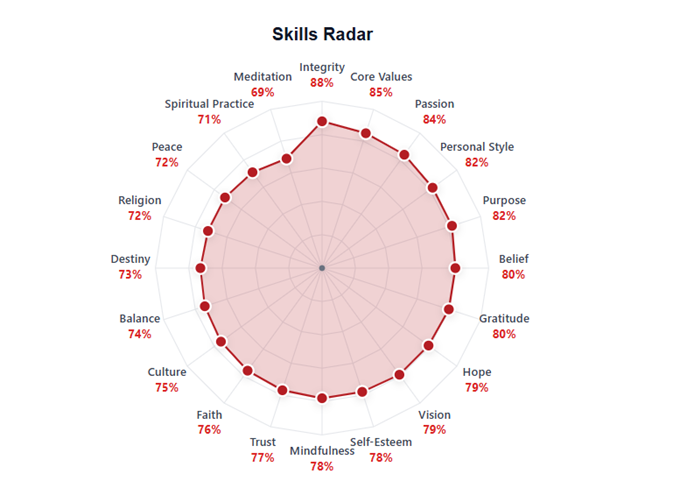
What Burnout Looks Like on a Resilience Map
The 30-Day Team Resilience Mapping program does something that traditional burnout assessments and engagement surveys can’t: it shows you exactly where the capacity is leaking and why.
Using the WIS® Resilience Index, each team member completes a 20-minute assessment that maps their foundational resilience anchors. The results don’t just tell you someone is burned out; you probably already know that. They tell you what’s driving the burnout, which anchors are depleted, and where the team’s everyday patterns are either building or eroding resilience.
For the team as a whole, the mapping reveals what I call the “burnout architecture,” the systemic conditions that are producing burnout across the group, not just in one or two individuals. Maybe trust is low across the board. Maybe the team’s hope scores reveal that people have given up on things improving. Maybe integrity gaps show that there’s a disconnect between stated values and actual behavior that’s creating chronic low-grade stress. This is information you cannot get from an engagement survey or a wellness assessment. Those tools tell you that people are struggling. The resilience map tells you why, and it gives you a clear, specific starting point for intervention.
We use an appreciative inquiry process that starts by recognizing what’s already working. If your organization has wellness programs in place, we don’t dismiss them, we actually account for them. The mapping shows whether those wellness activities are translating into everyday resilience, whether the things your employees are doing, sometimes unconsciously, are strengthening their capacity or contributing to the depletion.
That distinction is essential because it means you stop throwing more wellness at the problem and start investing in the specific interventions that will actually rebuild capacity where it’s needed.
From Burnout Awareness to Performance Recovery
When you map your team’s resilience, here’s what becomes possible:
You see the full picture. Instead of guessing at who’s burned out and why, you have data that shows the systemic patterns driving the performance decline. You can see whether the issue is concentrated in specific anchors, whether it’s team-wide or individual, and where the highest-leverage intervention points are.
You translate wellness into executive language. One of the biggest challenges HR professionals face is connecting wellness concerns to performance outcomes in a way that gets executive attention. The resilience map does this automatically, because it frames burnout not as “people feel bad” but as “here’s where capacity is depleted and here’s what it’s costing performance.”
You stop the cascade. By identifying where the burnout-to-disengagement-to-conflict cycle is operating, you can intervene before it spreads further. You’re not just putting out fires; you’re addressing the conditions that keep starting them.
You build forward. Once the team has awareness of their resilience landscape, the development work that follows is targeted, meaningful, and sustainable. People aren’t sitting through generic wellness training. They’re building the specific capacities they need to recover and sustain performance.
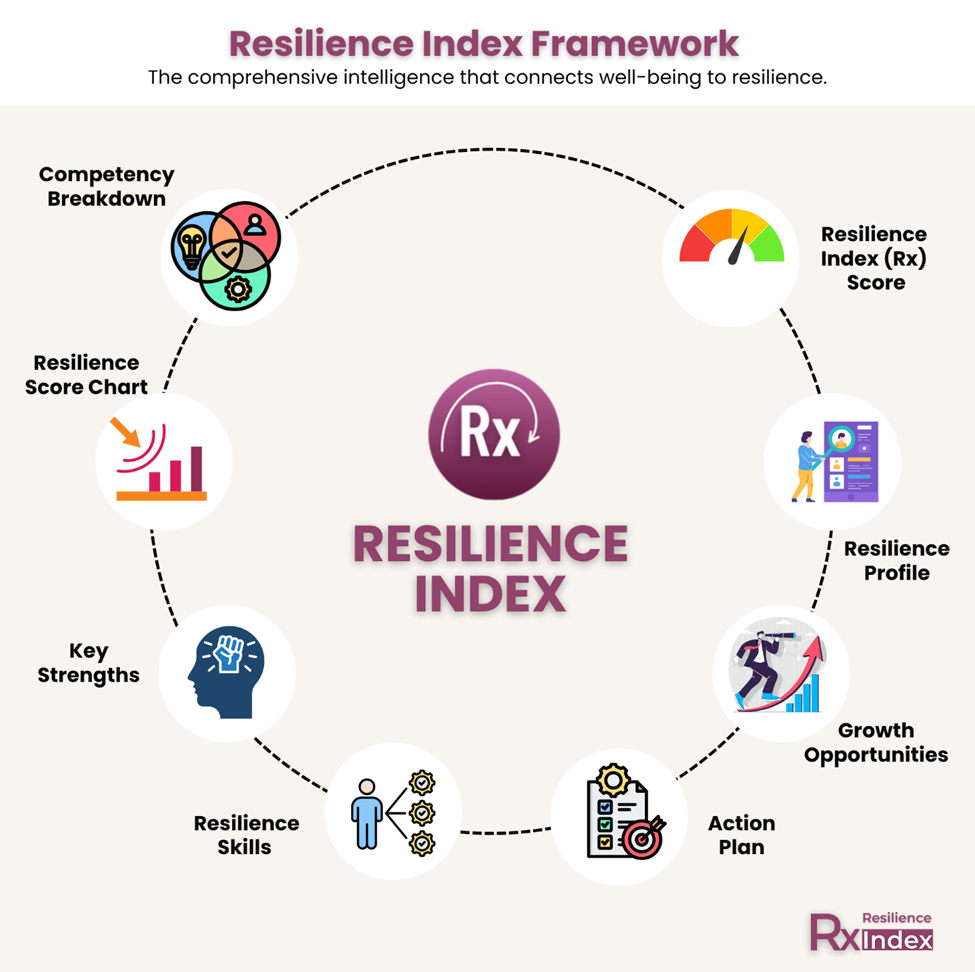
Your Team’s Low Performance Has a Map
If you’re watching burnout quietly erode your team’s output, if the engagement scores keep dropping even though you’re investing in wellness, if the conflict that’s surfacing feels connected to something deeper than personality clashes, you’re right. It is deeper and it’s measurable.
The 30-Day Team Resilience Mapping program gives you the diagnostic clarity to see what’s really driving the performance decline, bridge the gap between wellness activity and actual resilience capacity, and create a targeted recovery path that addresses root causes, not just symptoms.

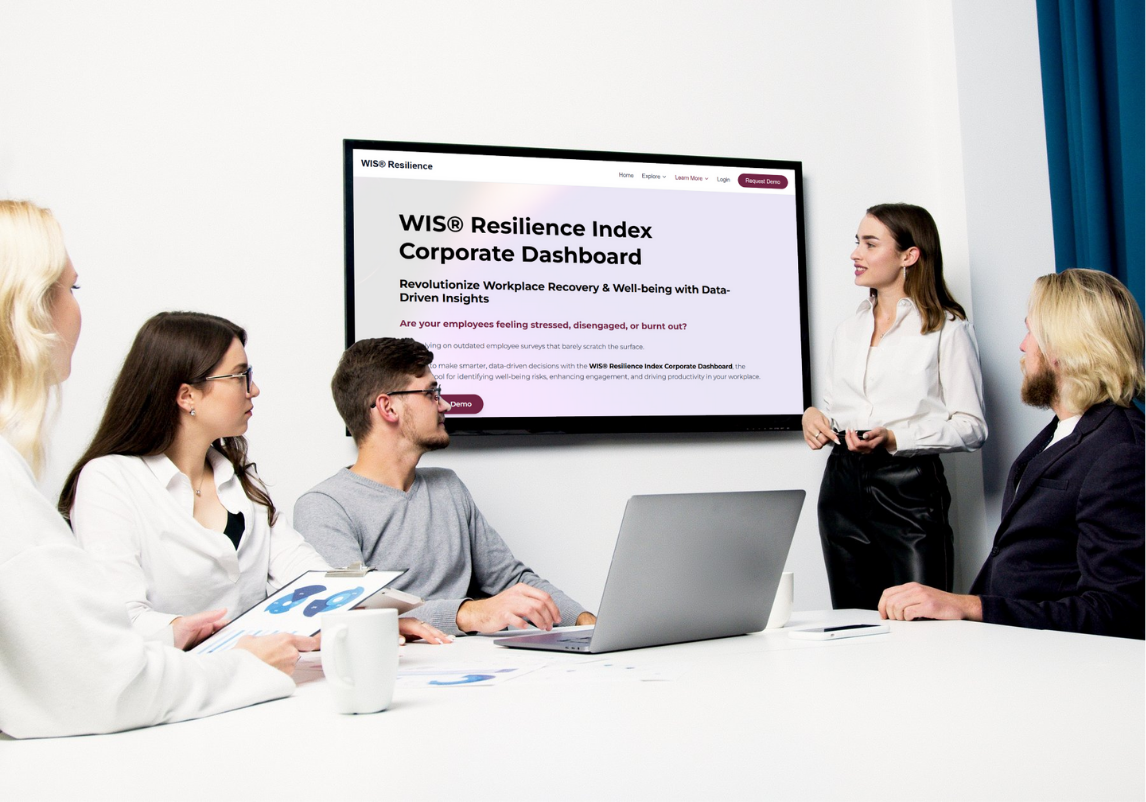
WIS® Resilience Index
Leading through burnout yourself?
Join the Currency of Resilience Exchange™, a monthly live coaching call where leaders bring their real-world challenges and get practical resilience intelligence they can apply immediately, without adding one more thing to their plate.