Explore
How Do You Fix a Dysfunctional Team?
You already know something is seriously wrong.
The missed deadlines aren’t occasional anymore; they’re the new pattern. People are going through the motions but the energy behind the work is gone. There’s tension in every meeting, or worse, silence, the kind where everyone is thinking something, but no one is saying it. Your best people are frustrated, and you sense they may be job hunting. Your struggling people are defensive, and you’re caught in the middle, trying to hold it all together while privately wondering if this team can even be saved.
If you’re searching for how to fix a dysfunctional team, you’re past the point of hoping it resolves itself and you want action. You want something that actually works and you’ve probably already tried a few things that didn’t.
So, let’s start with the truth that most leadership advice skips over entirely.
First, Separate the People Problems from the System Problems
Here’s where most leaders get stuck, they look at dysfunction and see people. The difficult personality. The underperformer. The person who won’t stop complaining. The one who’s checked out entirely.
And the instinct is to fix the people, coach them, move them, replace them, have the hard conversation.
But here’s what I’ve seen after 28 years of being called in to work with teams in crisis, in the vast majority of cases, the dysfunction isn’t driven by individual people. It’s driven by the system those people are operating in.
When I walk into a dysfunctional team, I almost always find the same underlying conditions. Trust is depleted. Assumptions have replaced conversations. People are managing their own anxiety and frustration with very little support, so they default to self-protection, withdrawal, gossip, cliques, over-assertion, and blame.
The person who seems “difficult” is often someone whose resilience anchors, such as their trust, hope, or sense of purpose, have been eroded to the point where they can’t show up as their best self anymore. The person who’s “checked out” may have lost hope that anything will change. The person creating friction may be trying to push the team forward but doesn’t have the interpersonal capacity to do it without causing harm.
This doesn’t mean there aren’t individual issues. Sometimes there are; but if you start by trying to fix individuals without understanding the system they’re in, you’ll keep replacing and rearranging people while the same dysfunction persists.
Why Training and Reshuffling Fail
If you’ve been leading teams for any length of time, you’ve probably already tried some combination of the following:
Sent the team to a communication workshop, brought in a mediator, held a team-building retreat. Moved the most disruptive person to a different project. Had one-on-one conversations where you tried to reset expectations. Maybe even let someone go, hoping that removing the “problem” would fix the dynamic.
And for a week, maybe two, things felt lighter, then the same friction came back, maybe in the same place, maybe in a new one.
Here’s why these interventions address symptoms; they address what you can see on the surface, the behaviors, the conflicts, the complaints. But they don’t touch the underlying resilience deficit that’s actually producing the dysfunction.
You can’t teach a team to communicate well if the individuals on that team don’t trust each other. You can’t build collaboration on a foundation where people have lost hope, where integrity has eroded, where self-esteem is so low that people interpret every interaction as a threat. The skills you teach have nowhere to land because the ground underneath is unstable.
Training on top of a broken foundation is like painting over water damage. It looks better for a moment, but the structure is still compromised, and it will surface again.
Stabilization Before Performance
This is the principle that changes everything for dysfunctional teams, and it’s the one most interventions skip.
Before you can build high performance, you have to stabilize. You have to stop the active deterioration, create safety, and give people the awareness and tools to rebuild their own capacity before you ask them to collaborate, execute, and deliver.
Think about it this way, if your team is in survival mode, operating from anxiety, frustration, resentment, and self-protection, they cannot access higher-level functioning. They can’t think strategically, or extend trust. They can’t give each other the benefit of the doubt. Their nervous systems are in reactive mode, and no amount of goal-setting or team-building will override that.
Stabilization means starting with what’s underneath. It means helping each team member understand where their own resilience is strong and where it’s depleted. It means creating awareness, real, individual, data-driven awareness, that shifts the conversation from “who’s the problem” to “what conditions need to change.”
And that’s exactly what resilience mapping does.
What Actually Works: Map Before You Fix
The 30-Day Team Resilience Mapping program is built on a simple but powerful premise; you can’t fix what you haven’t identified.
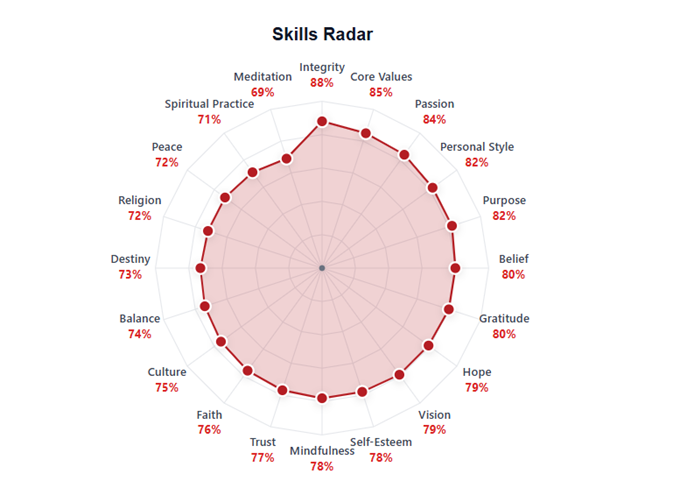
Instead of guessing at the problem or defaulting to the usual interventions, we start by giving every team member a clear picture of their own resilience capacity. Using the WIS® Resilience Index, each person completes a 20-minute assessment that maps their foundational resilience anchors, things like trust, hope, integrity, self-esteem, purpose, core values, and faith.
What comes back is not a personality profile or a communication style quiz. It’s a resilience map that shows each individual where they’re strong, where they’re depleted, and where their everyday actions are either building or draining their capacity to function well under pressure.
For the team, this creates something that most dysfunctional groups have never had, a shared language for what’s actually going on.
When a team can look at a resilience heat map and see that trust is depleted across the group, or that half the team has lost hope, or that integrity scores reveal a gap between what people say and what they do, the conversation shifts entirely. It’s no longer about blame. It’s about building.
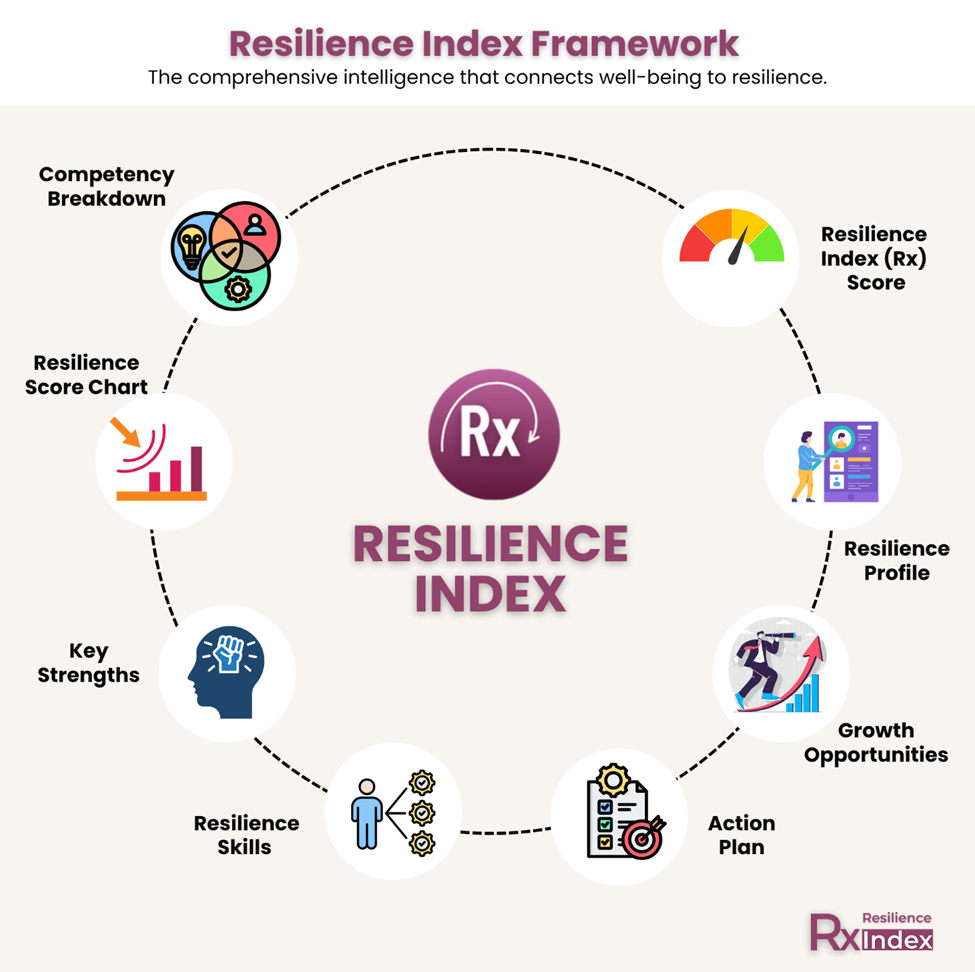
We use an appreciative inquiry process that starts by acknowledging what’s working. Many organizations already invest in wellness activities, and we don’t dismiss that. What the mapping does is show whether those activities are actually translating into resilience, whether the things your team is doing every day, often unconsciously, are strengthening their capacity or quietly eroding it.
From Dysfunction to Direction
Here’s what happens when you map a dysfunctional team:
The finger-pointing stops. When people see their own data, they stop blaming others and start getting curious about their own patterns. That shift from external blame to internal awareness is where real change begins.
The leader gets clarity. Instead of trying to manage a dozen different personalities and conflicts, you get a clear picture of the systemic issues driving the dysfunction. You can see where trust is broken, where hope has disappeared, where the team’s foundation needs repair, that changes your entire leadership strategy.
The team gets language. Most dysfunctional teams know something is wrong but can’t articulate it. They feel the tension, the frustration, the disconnection, but they don’t have a framework for talking about it productively. The resilience map gives them that framework.
The path forward becomes obvious. Once you know where the real gaps are, you stop wasting time and money on interventions that don’t fit. Instead of generic team building, you address the specific resilience deficits that are producing the dysfunction. You invest where it actually matters.
Stop Fixing and Start Mapping
If your team is stuck in a cycle of dysfunction that keeps repeating no matter what you try, the issue isn’t that you haven’t found the right fix yet. The issue is that you’ve been fixing without clarity.
The 30-Day Team Resilience Mapping program gives you the clarity to understand what’s really going on, the foundation to stabilize before you perform, and the roadmap to rebuild your team’s capacity from the inside out.
You don’t need another workshop. You need to know where the breakdown actually lives.
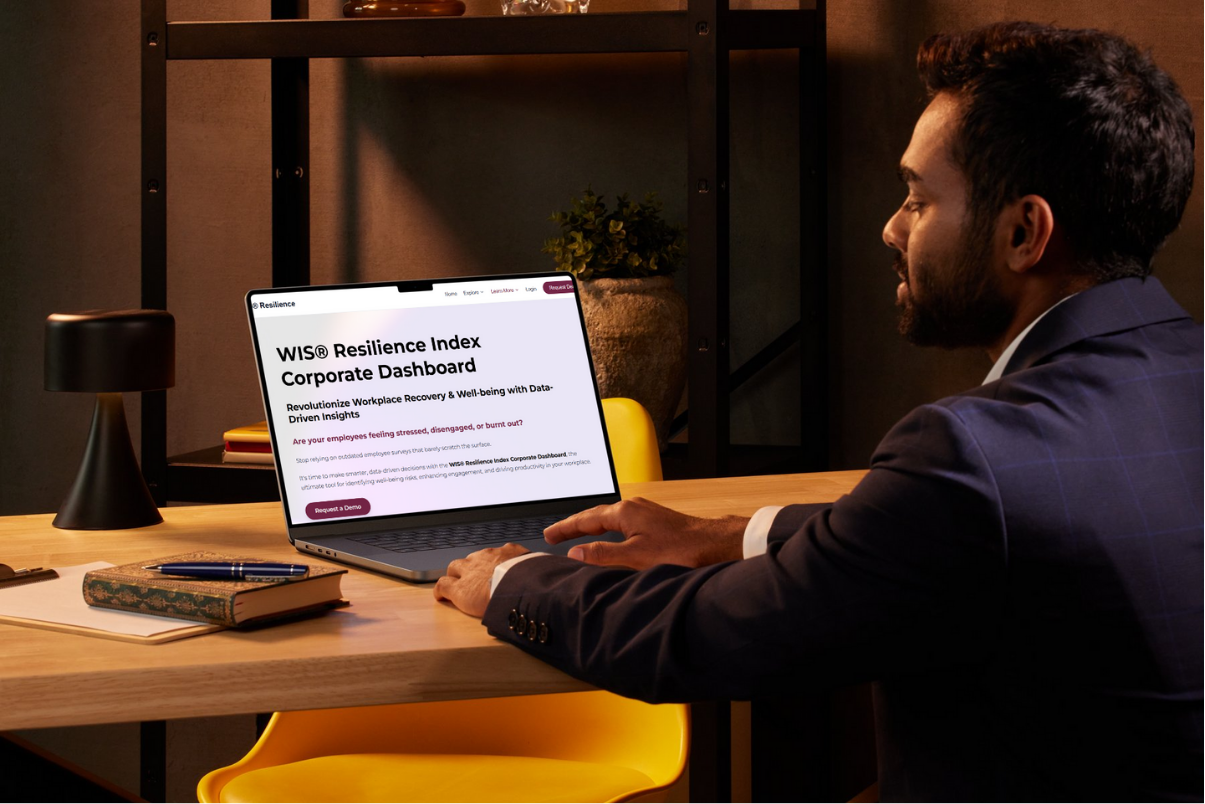
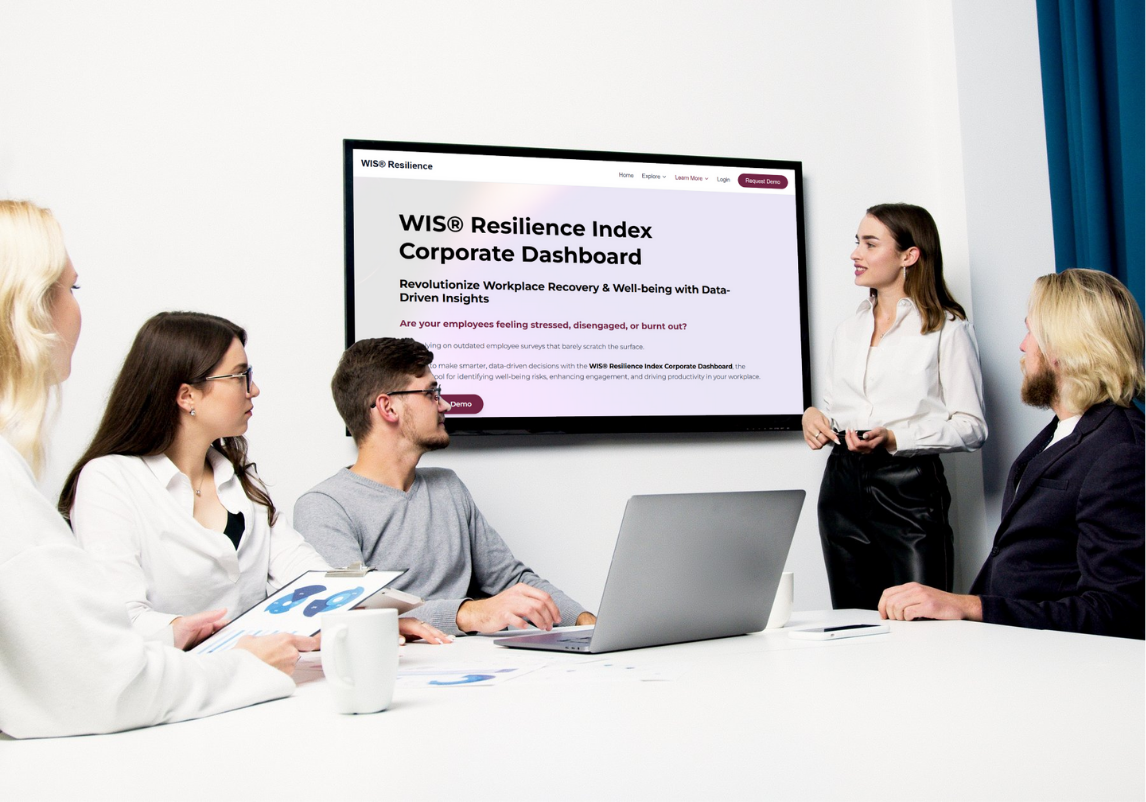
WIS® Resilience Index
Not ready for a team engagement yet?
Join the Currency of Resilience Exchange™, a monthly live coaching call where leaders bring their toughest people challenges and get real-time resilience intelligence they can apply immediately.